Jul 22, 2026
How to Choose Wide Width Aluminum Fiberglass Cloth
Learn to select premium wide width aluminum fiberglass cloth for HVAC systems, industrial heat shielding, wildfire barrier protection, and food-grade thermal insulation. Master core selection factors
Introduction
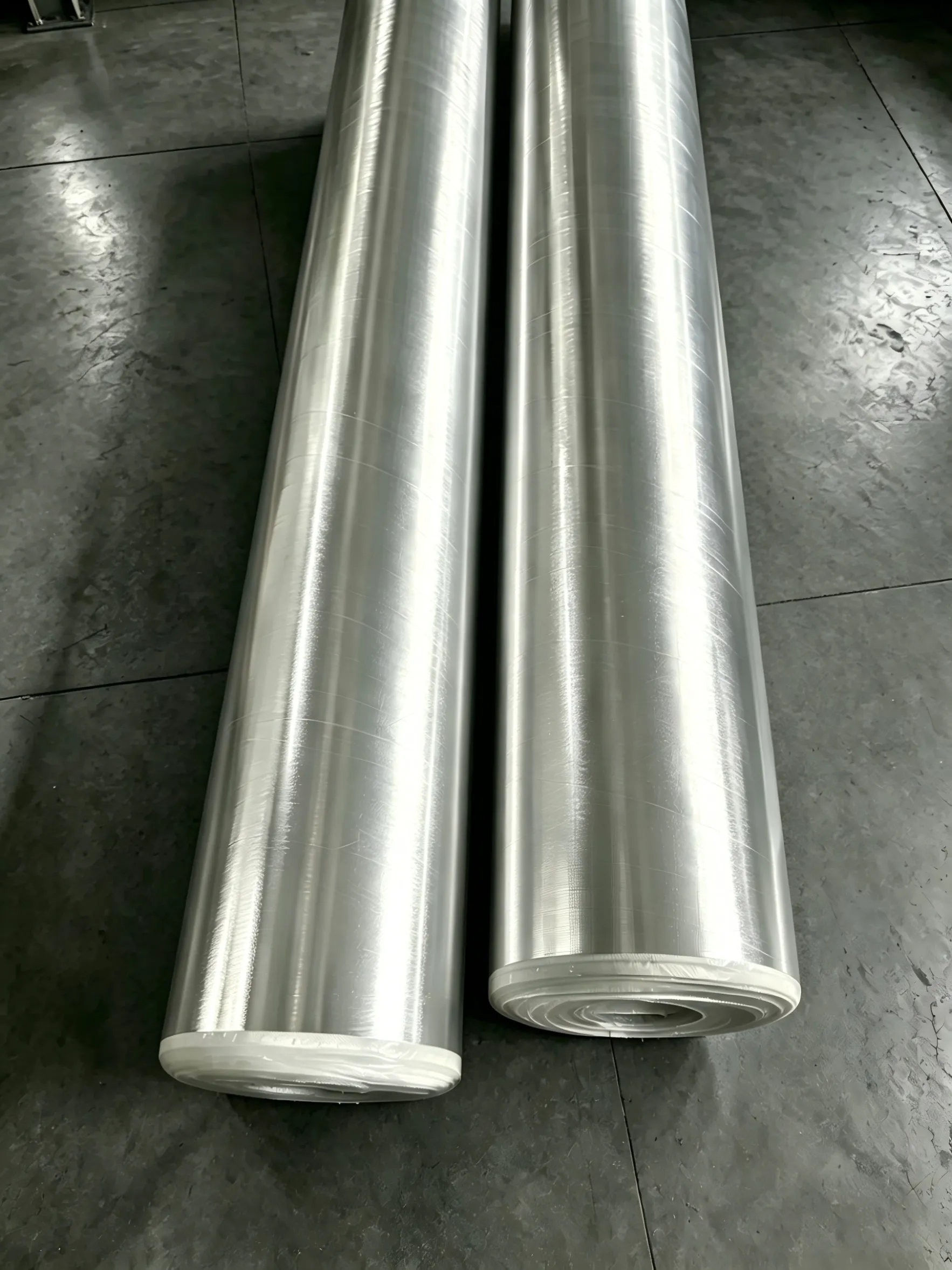
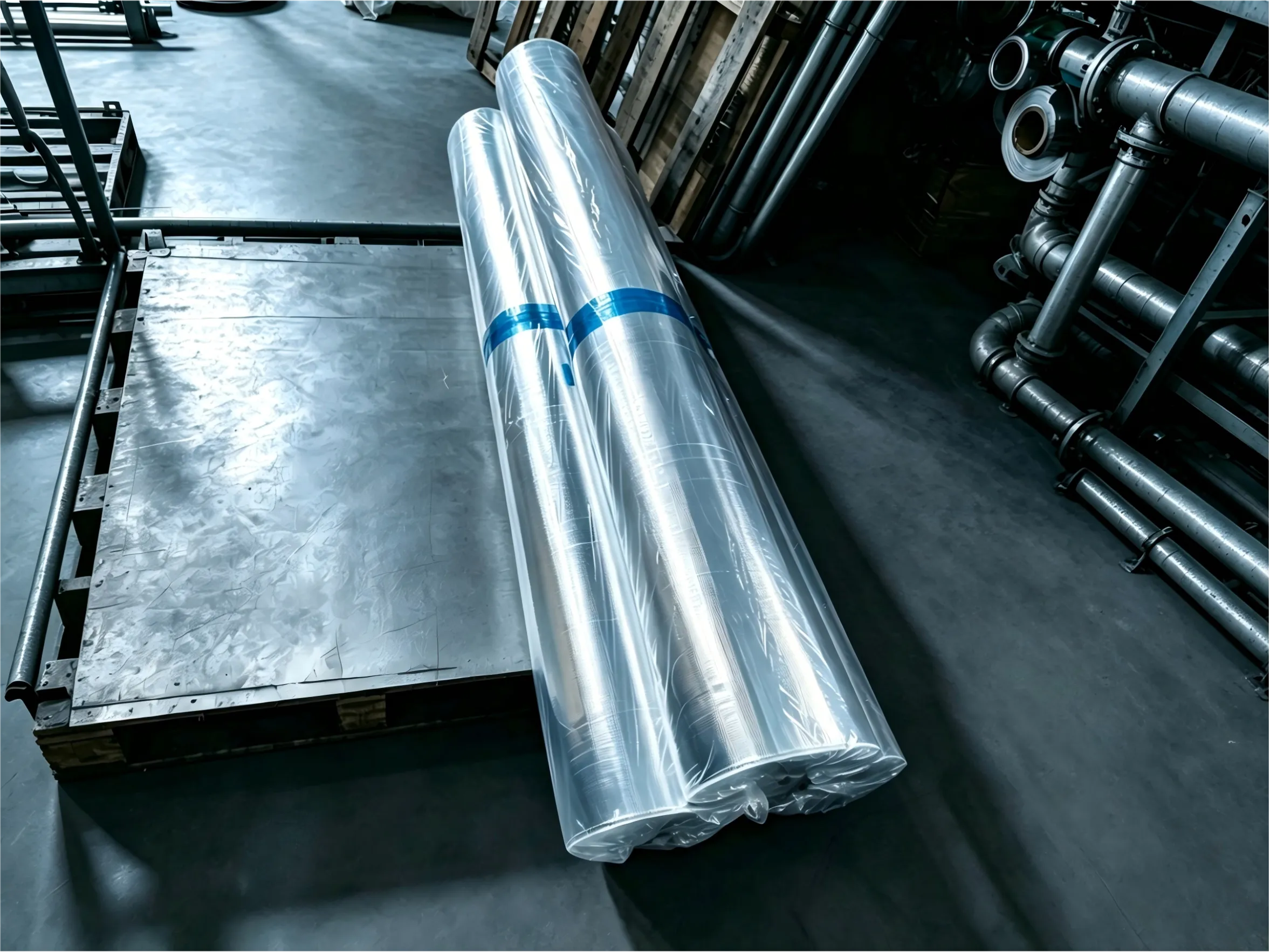
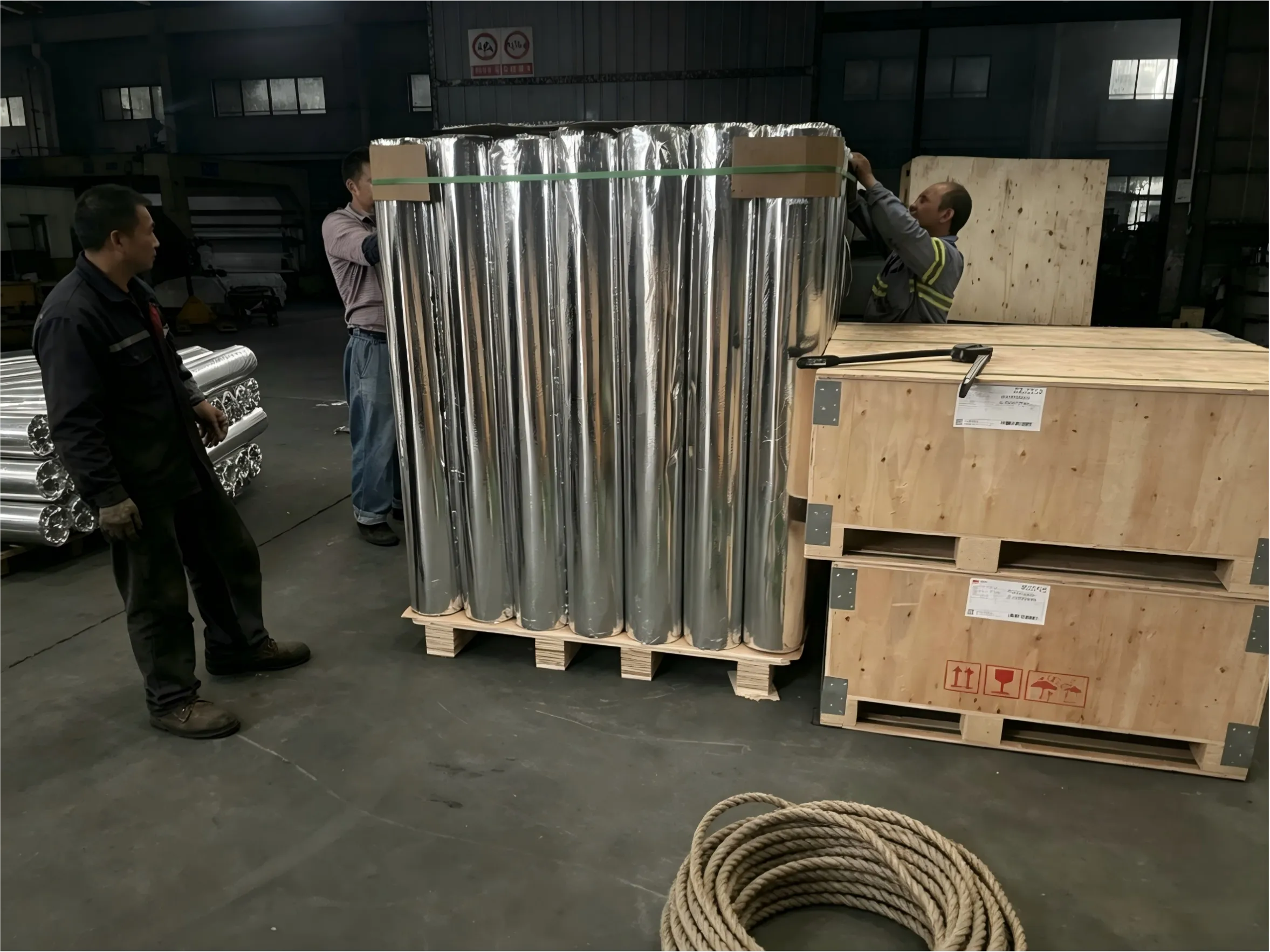
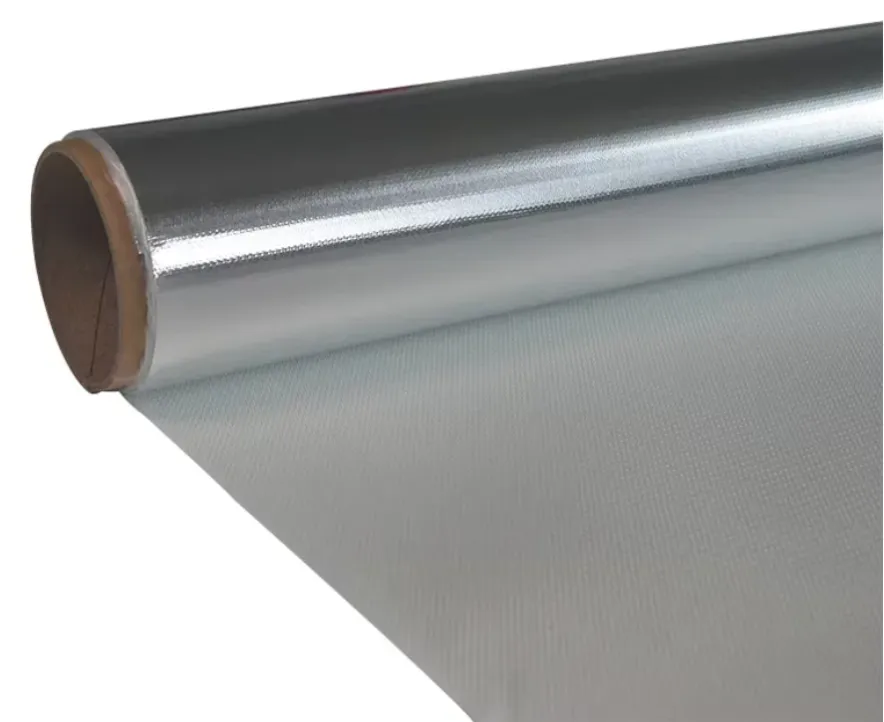
Wide width aluminum fiberglass cloth is one of the most versatile thermal insulation materials for modern industrial and construction projects. Compared with standard narrow rolls, wide-width fabric reduces splicing seams, speeds up installation, improves overall thermal barrier performance, and lowers on-site labor costs.However, many buyers struggle with selecting the right wide-width aluminum fiberglass cloth. Factors such as base material quality, single/double-sided lamination, width specification, temperature resistance, and application compliance directly affect project effectiveness and service life. This guide covers all core selection criteria for global procurement.
1. Confirm Core Material: Alkali-Free E-Glass vs C-Glass Fiberglass
The base fiberglass material determines the durability and stability of the final product.Alkali-free E-glass fiberglass: High tensile strength, excellent corrosion resistance, low thermal shrinkage, and long service life. It is the preferred material for high-end projects including data center thermal isolation, food-grade insulation, and long-term industrial equipment shielding.Medium-alkali C-glass fiberglass: Cost-effective, with basic fire and heat insulation performance, suitable for temporary construction, ordinary HVAC duct wrapping, and low-budget general insulation projects.
2. Select Single-Sided or Double-Sided Aluminum Foil Lamination
Aluminum foil lamination structure directly impacts heat reflection and anti-aging performance:Single-sided lamination: Ideal for one-way heat isolation, such as internal duct insulation and building roof radiant barriers. Lightweight and cost-efficient.Double-sided lamination: Provides dual heat reflection, better vapor barrier, and stronger oxidation resistance. Perfect for high-temperature industrial equipment, marine insulation, and wildfire protection scenarios with harsh environments.
3. Match Width Specification with Project Requirements
Common widths include standard 1.2m and custom 1.5m wide rolls. Wide-width fabric minimizes splicing gaps, effectively reducing heat leakage and improving construction flatness. For large-area continuous insulation projects such as data center cold/hot channels, factory pipeline clusters, and building whole-roof heat reflection, custom wide-width cloth is more recommended.
4. Verify Temperature Resistance & Flame Retardancy
Qualified aluminum fiberglass cloth can withstand continuous high temperatures and resist open flame erosion. Confirm the temperature resistance range according to your application: conventional products adapt to -40℃ to 280℃, meeting the needs of most HVAC, industrial, and construction insulation projects.
5. Check Industry Compliance Certification
For special scenarios such as food processing and North American construction wildfire protection, prioritize products with USDA food-grade compliance and fire resistance test reports to ensure project qualification and safe use.
FAQ
Q1: Is wider aluminum fiberglass cloth always better?
A: Not exactly. Wide-width cloth is more suitable for large-area continuous construction. For small pipelines and local equipment insulation, standard 1.2m width is more cost-effective with no excess waste.Q2: Does E-glass material greatly increase project cost?
A: E-glass has a longer service life and stable performance, reducing later replacement and maintenance costs. It is more cost-effective for long-term engineering projects.
Conclusion
Choosing the right wide width aluminum fiberglass cloth requires comprehensive consideration of material structure, size specification, temperature resistance, and industry compliance. If you have custom width, lamination, or material requirements, contact us for professional technical support and customized quotations.